


Vinod Khosla says generative artificial intelligence could reshape income inequality by compressing wages at the top faster than at the bottom, while simultaneously driving down the cost of living across the economy.
In a new post on X, the billionaire investor says he believes that AI’s economic impact is likely to fall most heavily on higher earners rather than the lowest-income households.
He adds that the more consequential effect may come from falling costs, which he believes could outpace wage declines if the technology is applied broadly.
“GenAI is likely to drive down wages for the 50th–95th percentile more than for the bottom half. And it will drive down costs even more, so the cost of living goes down faster than wages, I hope.”
Citing data from the job search engine Glassdoor, Bloomberg says that 13 of the 25 highest-paying roles are in the tech sector, but jobs in the healthcare industry offer the largest paychecks. Khosla appears to suggest that AI will substitute cognitive and analytical work prior to replacing physical and service labor.
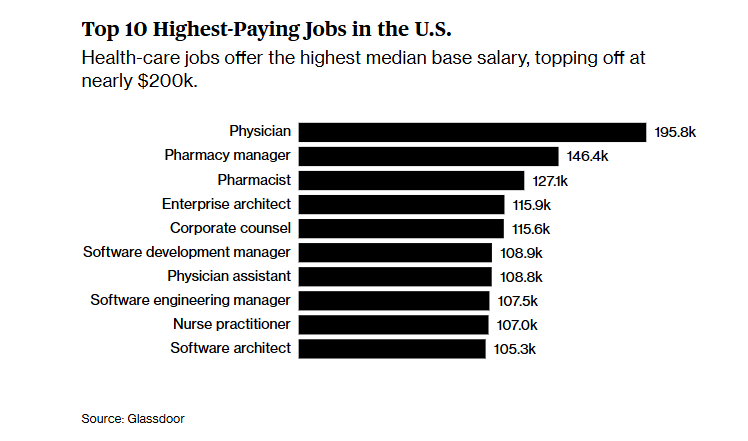
But he says the outcome is contingent on policy choices rather than technology alone.
“Policy and politics are the key to this happening.”
Khosla says that if costs fall meaningfully, AI could support a more equal economic structure than today’s.
“A much more equal society is possible. Likely?”
Pointing to household spending patterns, Khosla notes that the areas where AI could have the greatest impact align closely with where lower-income households feel the most pressure.
“The bottom half of US households spend 50%+ on housing and food. 55% for the bottom quartile! Can AI impact that to make a real difference? I think so.”
Khosla’s predictions run counter to the popular narrative that AI will replace low-skilled tasks. Earlier this year, a Harvard study found that AI adoption is trimming junior roles while senior jobs remained steady.
Disclaimer: Opinions expressed at CapitalAI Daily are not investment advice. Investors should do their own due diligence before making any decisions involving securities, cryptocurrencies, or digital assets. Your transfers and trades are at your own risk, and any losses you may incur are your responsibility. CapitalAI Daily does not recommend the buying or selling of any assets, nor is CapitalAI Daily an investment advisor. See our Editorial Standards and Terms of Use.