


A former global head of commodities research at Goldman Sachs believes that the boom in AI CapEx will propel one asset class to much higher levels, triggering a multi-year supercycle.
The Move
In a new Bloomberg interview, Jeffrey Currie, now co-chairman at Abaxx Markets, says history has shown that tech and energy have taken turns in leading the stock market, going as far back as more than a century of investment data.
“Going back to the entire postwar era, there are two sectors that lead the equity market: One is energy. The other is tech. If you can’t turn on the lights, nothing happens. If you can’t innovate, you never progress. Tech was a leader in the 90s, all the way up to 2002. Then we transitioned into energy from 2002 to 2014. From 2014 to now has been technology.”
Currie says he’s now seeing solid signals that market leadership is in the early stages of transitioning from tech to commodities. According to Currie, a commodity supercycle is now underway, and it could last until 2038.
“What creates that huge upward trend in prices that you saw in the 70s and you saw in the 2000s? It’s once investors take capital out of tech, dump it into commodities, they begin to spend and then you get cost inflation. The PPI that came out last week at 5.1% is telling you you’re already seeing signs of it, combined with the huge supply shock that you’re seeing in the Middle East…
We are just at the bottom of the first inning of the super cycle, despite the fact that commodities are the best-performing asset class this decade. So you’re already six years into it in terms of pricing. And when we think about the future, you’ve probably got another decade to 12 years left just looking at history.”
What It Means for Investors
Currie appears to be saying that the staggering scale of the power-hungry AI buildout, along with supply constraints stemming from the continued closure of the Strait of Hormuz, where 20% of global oil inventories pass through, is setting up a bullish backdrop for energy-sensitive names like oil and mining companies.
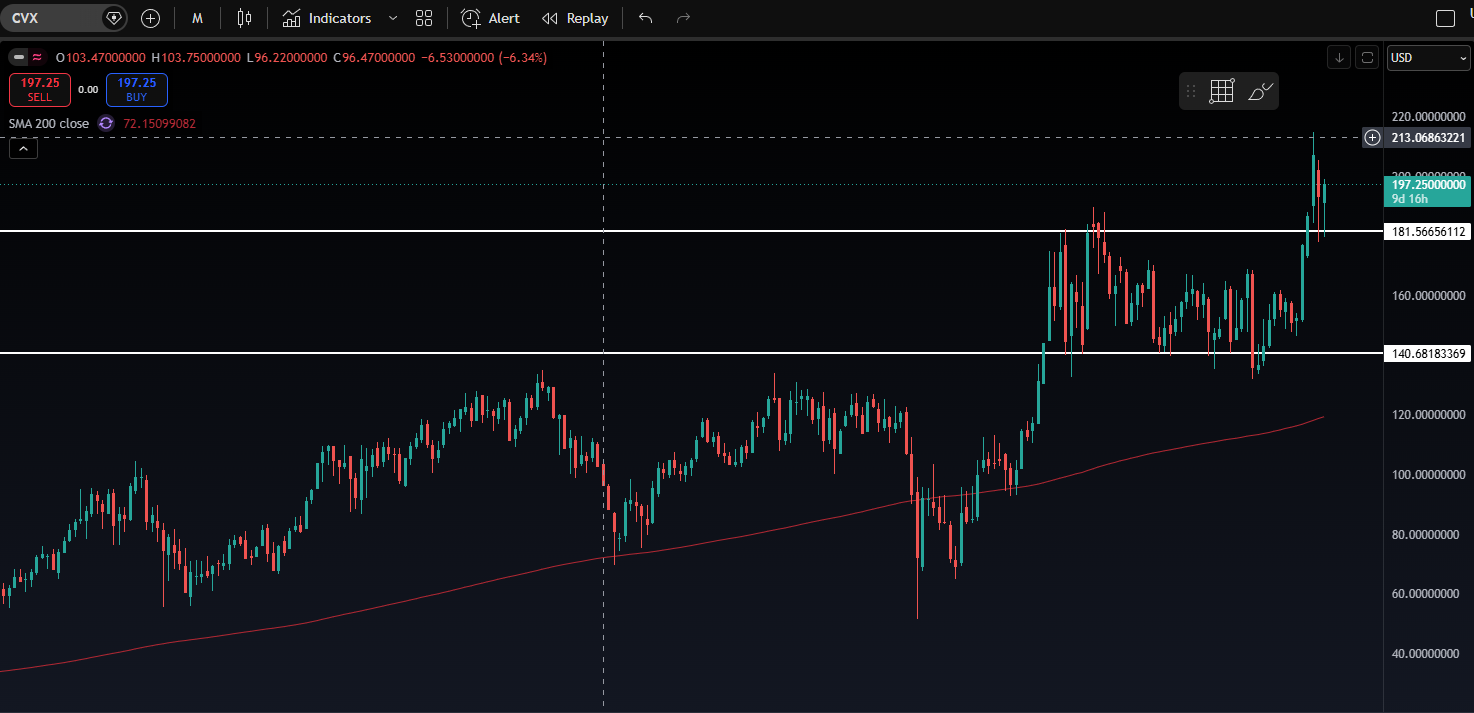
We’re now seeing signs that energy names are breaking out of years of consolidation. For instance, Exxon Mobil (XOM) is up about 35% year-to-date and Chevron (CVX) has soared nearly 30% over the same time frame. Both XOM and CVX have been trading in a wide range since 2022 and have ignited strong rallies even before tensions in the Middle East began.
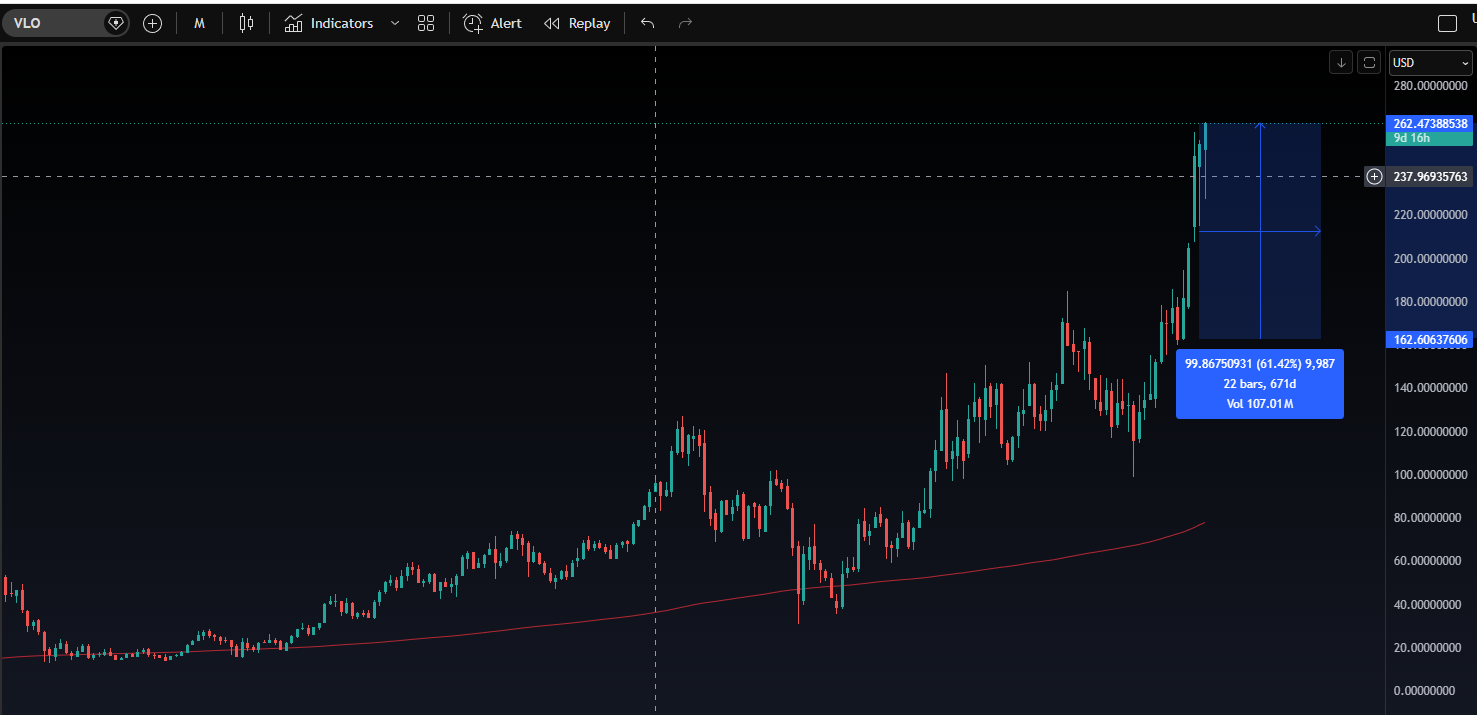
But some of the strongest names in the energy space are Valero Energy Corporation, up over 60% this year, and Marathon Petroleum (MPC), also climbing more than 60% year-to-date.
Meanwhile, other prominent energy names such as ConocoPhillips (COP), Occidental Petroleum (OXY) and Devon Energy (DVN) have yet to make big moves this year.
If Currie’s thesis proves to be correct, it may be a chance for investors to be early in the commodities supercycle. Markets tend to follow historical cycles, and if energy names like Valero, Marathon and Exxon Mobil are showing strong signs of life, a sector-wide rally is within the realm of possibility.
Photo by Ben Wicks on Unsplash
Disclaimer: Opinions expressed at CapitalAI Daily are not investment advice. Investors should do their own due diligence before making any decisions involving securities, cryptocurrencies, or digital assets. Your transfers and trades are at your own risk, and any losses you may incur are your responsibility. CapitalAI Daily does not recommend the buying or selling of any assets, nor is CapitalAI Daily an investment advisor. See our Editorial Standards and Terms of Use.