

A chaired professor of behavioral science, economics, and applied AI at the University of Chicago Booth School of Business says the conventional wisdom about which jobs will survive the AI revolution is wrong, and that the real winners will be found far from the technology sector.
In a new essay posted on Substack, Alex O. Imas says he believes AI will not destroy jobs but instead trigger a structural shift in the economy that has happened before, first in agriculture and then manufacturing.
“Agricultural production boomed and prices fell. But because people can only eat so much, the share of income spent on food went down as people got richer, and workers moved to manufacturing and then to services.”
Imas argues that when technology makes a sector more productive, prices in that sector fall. Lower prices make everyone effectively richer, and when people get wealthier, they don’t just buy more of the same things.
To support his view, he cites a 2021 Econometrica paper by Diego Comin and others, which found that demand is “nonhomothetic.”
“As people get richer, they don’t just buy proportionally more of everything. They shift their spending toward sectors with higher income elasticity, goods whose demand grows faster than income. Agriculture has low income elasticity (you can only eat so much); services have high income elasticity (there’s always a better restaurant, a more engaging experience, a more attentive doctor).”
Data from Comin’s research shows that the behavioral shift is driven 75% by rising incomes changing what people want and only 25% by automated goods getting cheaper.
With AI expected to automate a wide array of goods in the coming years, Imas believes that the lower prices will trigger a reallocation of spending toward relational goods.
“The structural reallocation acts as a release valve: the economy doesn’t need everyone to keep buying more automated stuff. It needs spending to shift toward the margins people care more about as they get richer.”
According to Imas, the most durable jobs in the future will be in the relational sector, where the human element is the product itself, while noting that monitoring AI systems or prompt engineering will be transitional roles.
“Some already exist and are growing: nurses, therapists, teachers, boutique fitness instructors, personal chefs, bespoke tailors, craft brewers, live performers, spiritual guides, childcare workers, and many varieties of hospitality and care work. Others are emerging: experience designers, human-AI collaboration artists, provenance certifiers, community curators. Many haven’t been invented yet, just as six out of ten jobs people hold today didn’t exist in 1940.”
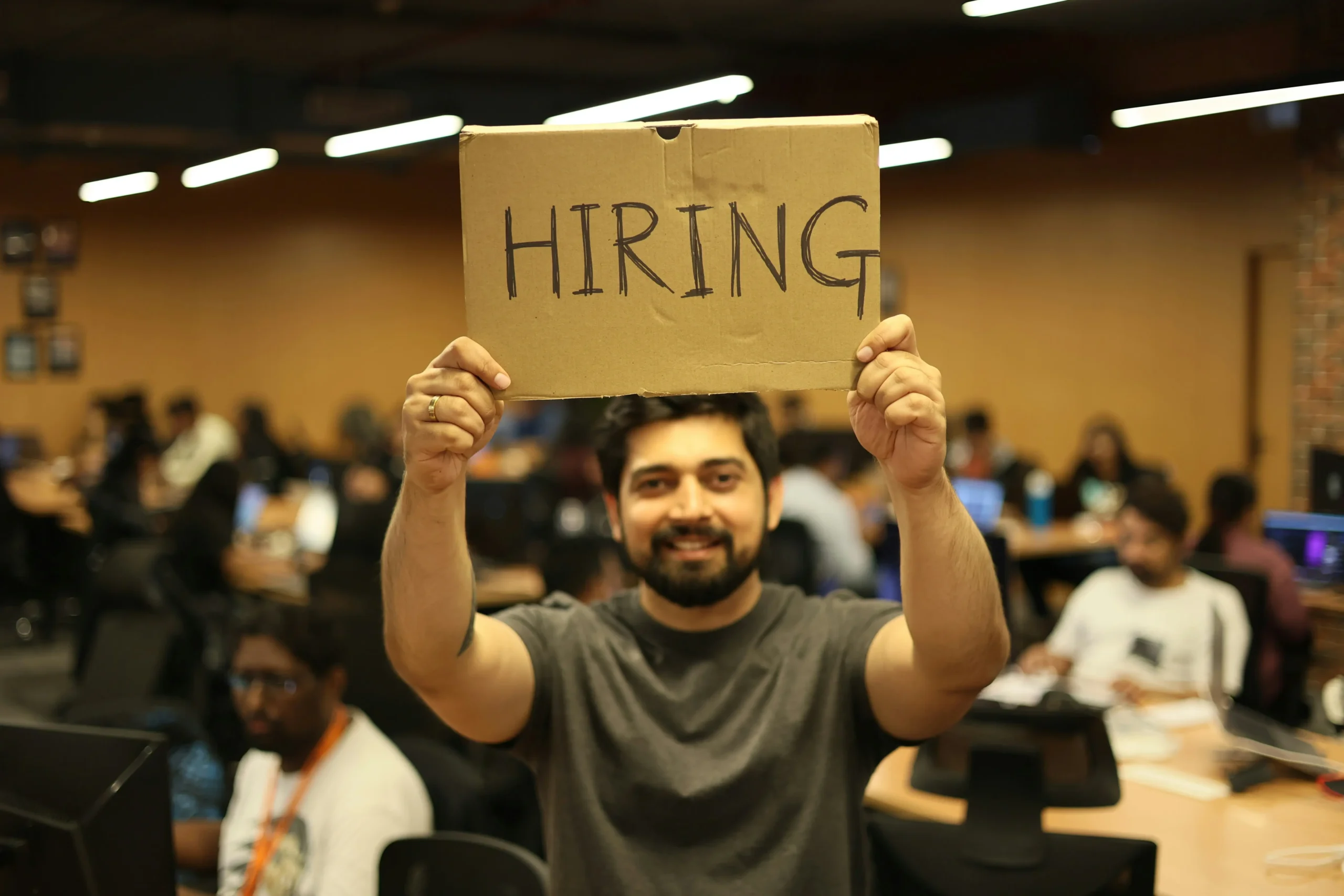
Photo by Hitesh Choudhary on Unsplash
Disclaimer: Opinions expressed at CapitalAI Daily are not investment advice. Investors should do their own due diligence before making any decisions involving securities, cryptocurrencies, or digital assets. Your transfers and trades are at your own risk, and any losses you may incur are your responsibility. CapitalAI Daily does not recommend the buying or selling of any assets, nor is CapitalAI Daily an investment advisor. See our Editorial Standards and Terms of Use.