


Cybersecurity firm Norton says a growing majority of US online daters are now open to forming romantic relationships with AI chatbots, a shift that collides with widespread loneliness and a rapidly evolving scam economy.
Norton’s latest Artificial Intimacy report surveyed 14,000 adults between late July and mid-August 2025 across 14 countries, including the United States, United Kingdom, Australia, Brazil, Germany, Japan and France.
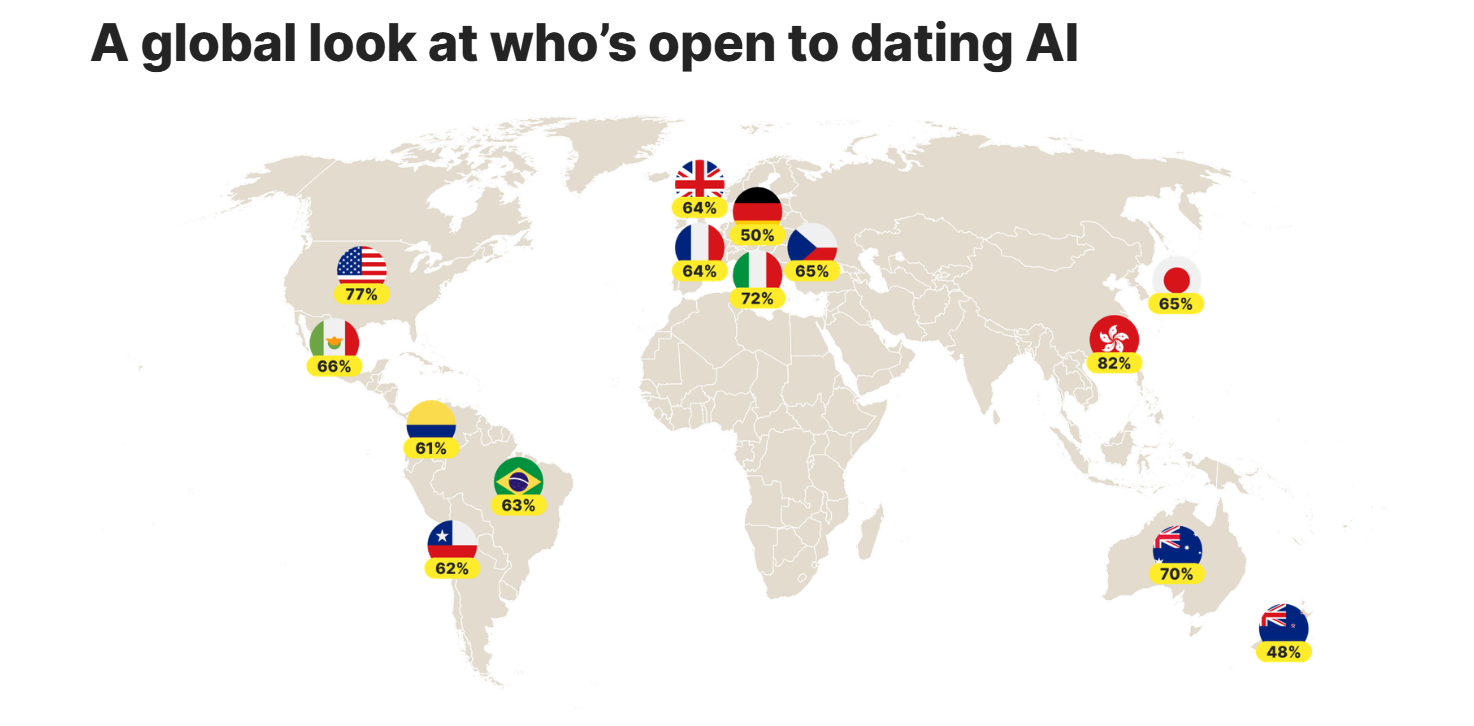
Norton finds that 77% of current online daters in the United States say they would consider dating an AI, well above the global figure of 67%. Across the world, 37% of current online dating app users say they can develop romantic feelings for an AI chatbot.
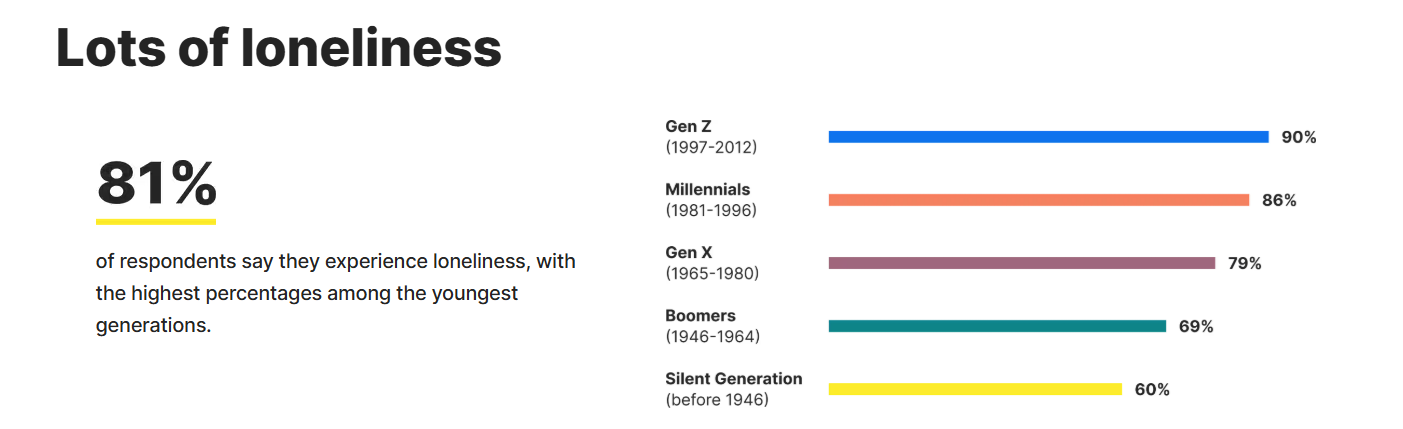
Researchers say the shift in attitudes is directly related to a deepening loneliness crisis. More than four in five respondents, 81%, reported feeling lonely, with that figure rising to 90% among Gen Z and 86% among Millennials.
The emotional openness, however, is creating new risks. Norton finds that 34% of current online daters say they have been targeted by a dating scam, and among those targeted, 64% report that they ultimately fell victim to one. The firm also says 36% of online daters have been pressured to send money to someone they met online.
Says Leila Bridge, global head of scam research for Norton,
“AI itself isn’t a scam, and our research shows that for many people it genuinely feels supportive or comforting. But when loneliness is high, trust can form very quickly online, and that’s exactly when scammers tend to step in. As more people look for connection through apps, chatbots and digital tools, it becomes even more important to pause, protect personal information, and remember that real trust should never come with pressure or secrecy.”
You can read the full report here.
Disclaimer: Opinions expressed at CapitalAI Daily are not investment advice. Investors should do their own due diligence before making any decisions involving securities, cryptocurrencies, or digital assets. Your transfers and trades are at your own risk, and any losses you may incur are your responsibility. CapitalAI Daily does not recommend the buying or selling of any assets, nor is CapitalAI Daily an investment advisor. See our Editorial Standards and Terms of Use.